
Nestled along the shores of Lake Michigan, the quaint town of Saugatuck exudes charm, character, and a rich tapestry of history. From its humble beginnings as a trading post to its evolution into a vibrant arts destination, Saugatuck's journey through time is as fascinating as it is diverse. Let's embark on a journey to uncover the captivating history of this coastal gem.
Native American Roots: Long before European settlers arrived, the area now known as Saugatuck was inhabited by Native American tribes, including the Potawatomi and Ottawa. These indigenous peoples revered the land for its natural beauty, abundant resources, and strategic location along the Kalamazoo River and Lake Michigan.
Early Settlement and Maritime Heritage: In the early 19th century, European settlers began to establish a presence in the region, drawn by the opportunities presented by its waterways and fertile land. Saugatuck's development as a port and trading post flourished, thanks to its access to Lake Michigan and the Great Lakes network. The town quickly became a bustling hub of maritime activity, with ships transporting lumber, agricultural goods, and passengers to and from distant ports.
The Lumber Boom and Shipbuilding Era: During the mid-19th century, Saugatuck experienced a period of rapid growth fueled by the booming lumber industry. Sprawling forests and abundant timber resources attracted lumber barons and entrepreneurs, who established sawmills and logging operations throughout the region. Saugatuck's waterfront buzzed with activity as shipyards sprung up along the riverbanks, producing schooners and cargo vessels that plied the Great Lakes trade routes.
The Artistic Renaissance: As the lumber industry declined in the late 19th and early 20th centuries, Saugatuck underwent a cultural transformation, attracting artists, writers, and creatives seeking inspiration in its scenic beauty and tranquil surroundings. The town's idyllic landscapes, dunes, and waterfront vistas became a magnet for the burgeoning arts community, giving rise to galleries, studios, and cultural institutions that continue to thrive to this day.
The Legacy of Ox-Bow and Art Colonies: In 1910, the renowned School of the Art Institute of Chicago established Ox-Bow, an artist's retreat nestled along the shores of the Kalamazoo River. This picturesque enclave served as a haven for artists seeking respite from urban life, fostering creativity, collaboration, and artistic experimentation. Over the years, Ox-Bow evolved into a prestigious arts education center and retreat, attracting students, instructors, and luminaries from around the world.
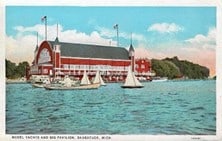
Modern-Day Saugatuck: Today, Saugatuck stands as a vibrant community that seamlessly blends its rich history with contemporary charm and cultural vitality. Visitors flock to its sandy beaches, scenic trails, and vibrant downtown district, where boutiques, galleries, and eateries line the streets. The town's maritime heritage is celebrated through annual festivals, regattas, and maritime museums, offering glimpses into its seafaring past.
The history of Saugatuck is a testament to the resilience, creativity, and spirit of its residents, past and present. From its indigenous roots and maritime legacy to its emergence as an artistic haven and cultural destination, Saugatuck's journey reflects the enduring allure of Michigan's coastal communities. As visitors and residents alike wander its historic streets and scenic vistas, they become part of a narrative that continues to unfold, enriching the fabric of this timeless lakeside town.